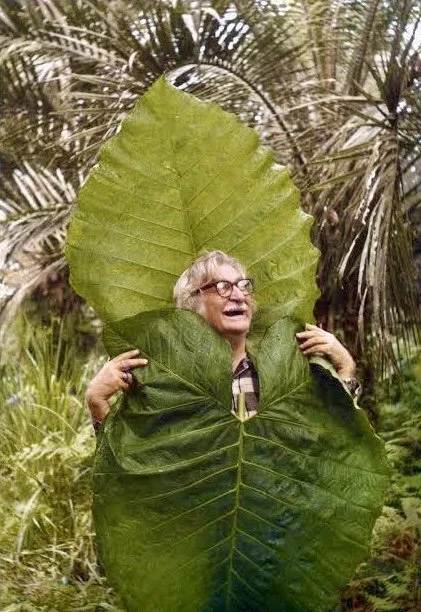
In 1928, a young Brazilian encountered something unexpected at Berlin’s botanical gardens: plants native to his own country, displayed and admired for their beauty and diversity of form, colour and texture. At home, where European landscape design traditions still held considerable influence, many of these species were overlooked.
For Roberto Burle Marx, the experience was transformative, awakening a lifelong fascination with Brazil's remarkable botanical diversity and the possibilities it offered for a new approach to landscape design.
What followed was a life of extraordinary creative range, energy and influence.
Burle Marx (1909–1994) was a landscape architect, painter, sculptor, tapestry and jewellery designer, botanist, collector and environmental advocate. A polymath in the fullest sense, his interests were not simply parallel pursuits. United by a deep curiosity and an exceptional understanding of form, colour, composition and the natural world, they informed and enriched one another.
His landscapes often possessed the qualities of abstract paintings. Sweeping organic forms, contrasting textures and bold arrangements of vegetation created compositions that could be appreciated from above or experienced at ground level, changing through growth and the passage of time. For Burle Marx, plants were living materials, selected with the same sensitivity to colour, structure and proportion that he brought to his paintings and tapestries.
Yet Burle Marx's importance extends beyond his individual achievements. He belonged to a vibrant generation of Brazilian modernists who were developing a distinctive creative language, informed by international modernism but increasingly confident in expressing the qualities unique to Brazilian culture, materials, climate and landscapes.
His collaborations with architects including Oscar Niemeyer, Lúcio Costa and Affonso Eduardo Reidy were fundamental to this development. Crucially, Burle Marx was not simply the landscape designer invited to soften or embellish a completed architectural vision. His work possessed its own spatial ambition, expressive language and artistic authority. In their most successful collaborations, buildings andlandscapes were conceived as parts of a larger composition, each contributing something essential to the experience of the whole.
This dialogue extended across Brazilian modernism. While architects explored the sculptural possibilities of concrete and the relationship between interior and exterior space, furniture designers such as Joaquim Tenreiro and Sergio Rodrigues investigated the expressive potential of native hardwoods, craftsmanship and organic form.
These were not identical approaches, nor necessarily direct collaborations, but they shared something recognisable: an aesthetic vocabulary in which geometry and sensuality, structural clarity and natural materials, intellectual discipline and the exuberance of the Brazilian landscape coexisted.
Burle Marx was both a contributor to this language and one of its most eloquent interpreters.
His paintings, tapestries and other artistic work reveal how readily his ideas travelled between disciplines. Forms that might suggest planted islands in a garden reappear as areas of colour in a tapestry. Rhythms and contrasts explored on canvas find new expression in paving, planting or sculpture. Rather than borrowing superficially from nature, he developed an artistic vocabulary through sustained observation of it.
That observation was grounded in considerable scientific curiosity. Burle Marx travelled extensively throughout Brazil, studying and collecting plants, often encountering species new or little known to horticulture. His contribution to botanical knowledge was substantial - numerous species are named in his honour. Over time, his estate outside Rio de Janeiro - now the Sítio Roberto Burle Marx - became an important living collection and a place of creative experimentation, artistic production and botanical research.
The Sítio was also a place of extraordinary sociability. A generous host and enthusiastic bon vivant, Burle Marx brought a circle of artists, architects, musicians and cultural figures together for famously elaborate lunches and dinners. Here, the pleasures of food, music, conversation and friendship were as much a part of his creative world as the gardens and artworks surrounding them.
Recognised as a UNESCO World Heritage Site in 2021, the Sítio remains perhaps the most complete expression of his interests. Gardens, architecture, artworks, collections and thousands of plant species coexist in an environment that is both an extraordinary achievement of twentieth-century landscape design and the epicentre of Burle Marx's ideas.
His knowledge of Brazil's natural environments also made him an increasingly outspoken advocate for their protection. He warned of the destruction of native habitats and the biological wealth being lost with them, long before environmental conservation became a mainstream concern.
There is something particularly compelling about this combination of artistic imagination, sensitivity and scientific understanding. Few creative figured have demonstrated quite such a breadth of knowledge and accomplishment. Burle Marx did not simply celebrate the beauty of the natural world. He studied it, worked with it, collected it and embraced protecting it.
Perhaps his greatest achievement was not the remarkable number of disciplines in which he excelled, but the way he brought them together into a collective conversation. Art, architecture, landscape, design and botany were not separate territories, but different expressions of an enduring curiosity.
And within the wider story of Brazilian modernism, his contribution reminds us that its distinctive language was never confined to buildings or objects - it extended into the landscape itself, where nature and human imagination could shape one another.
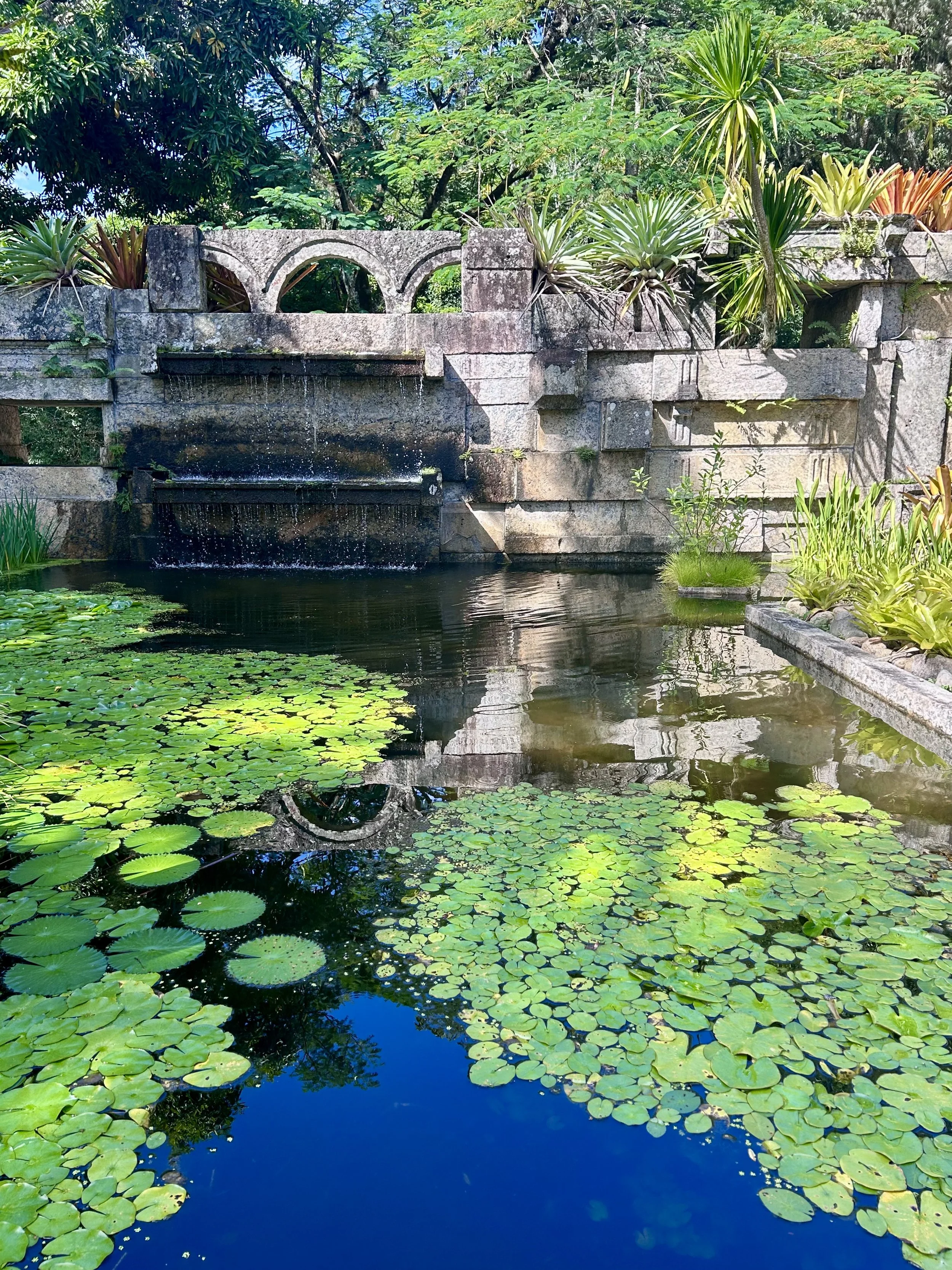
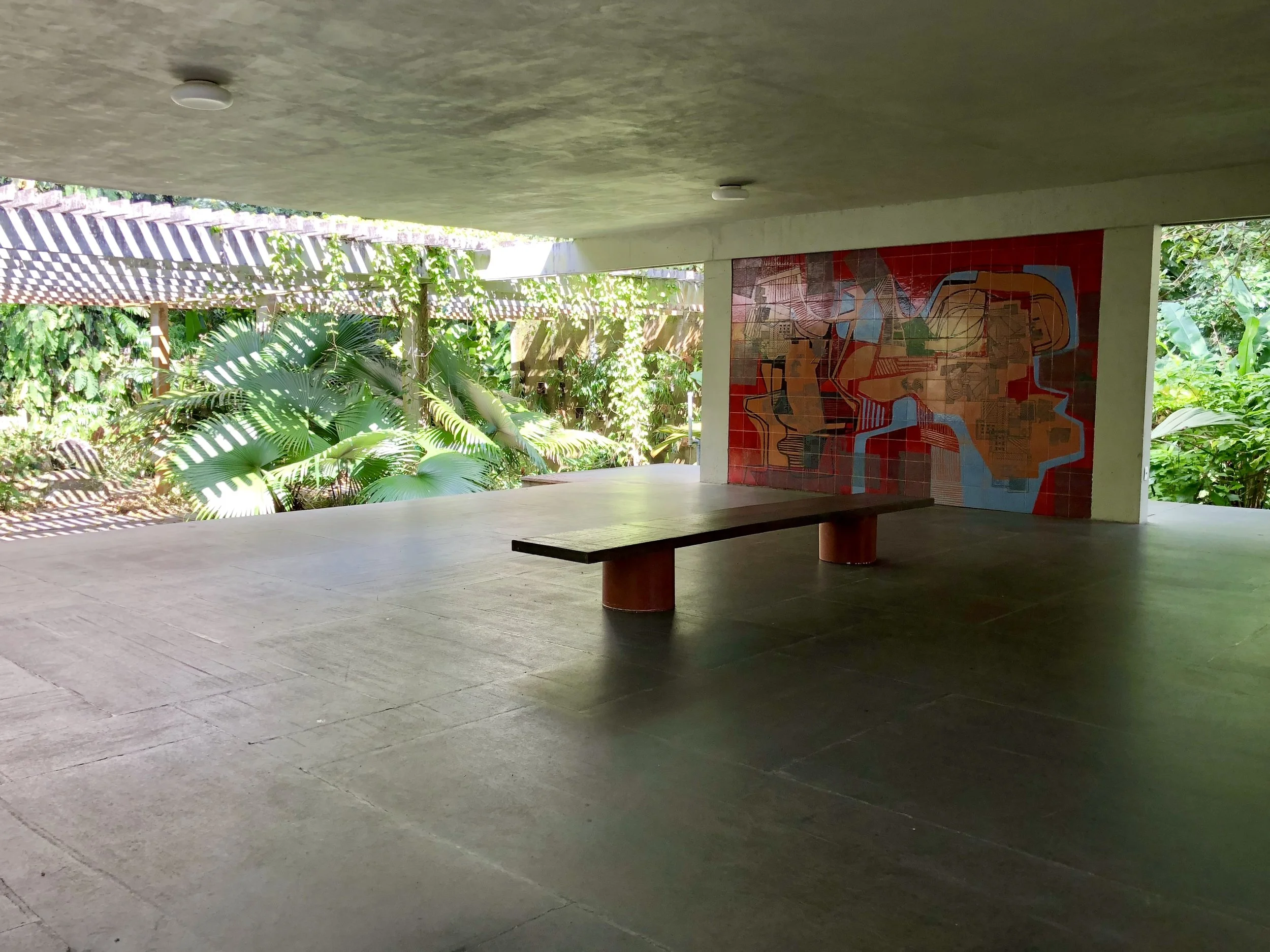
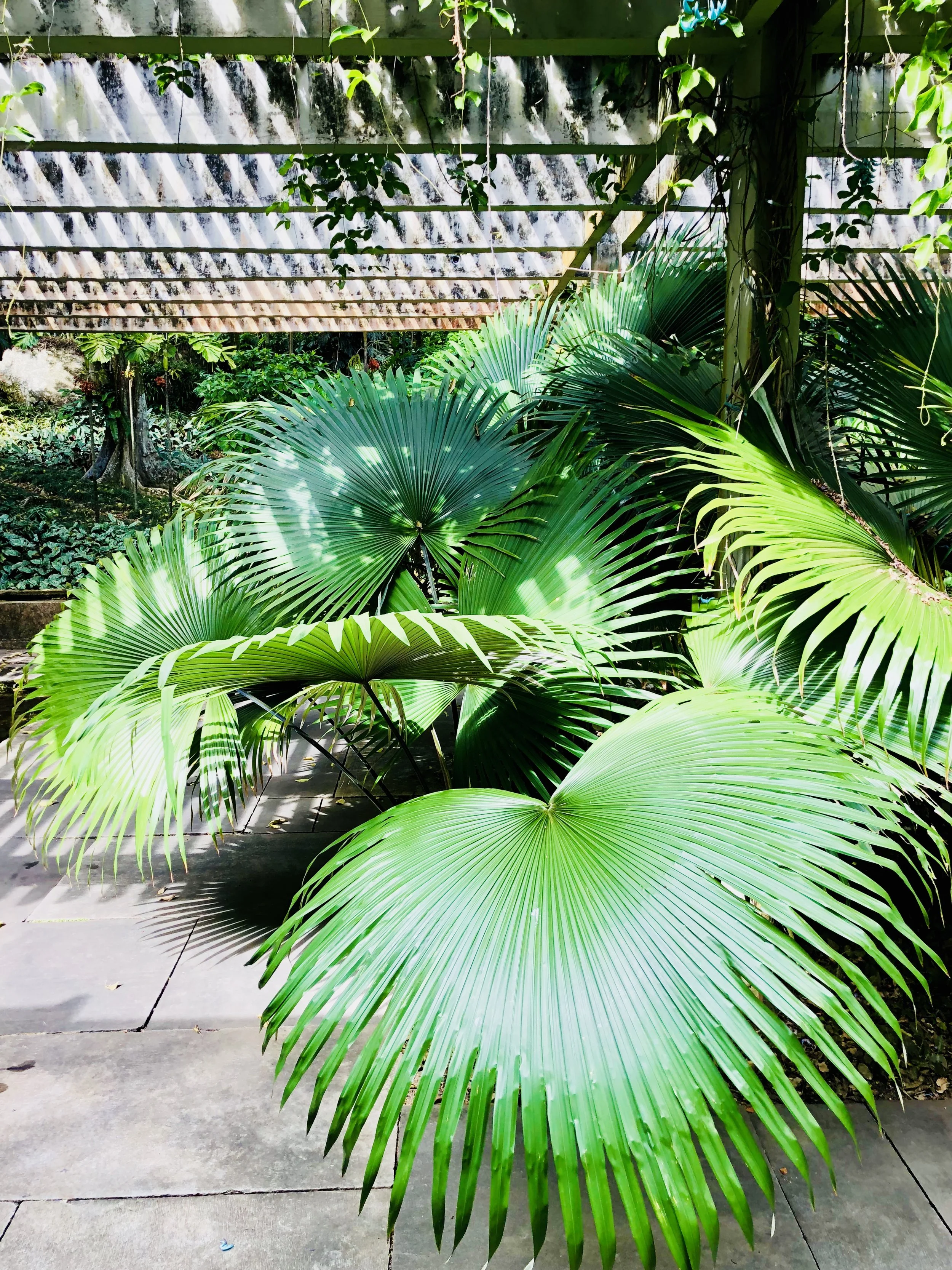
Sítio Roberto Burle Marx, Rio de Janeiro, March 2026.